 MEMBERSHIP LOGIN
 JOIN PRI
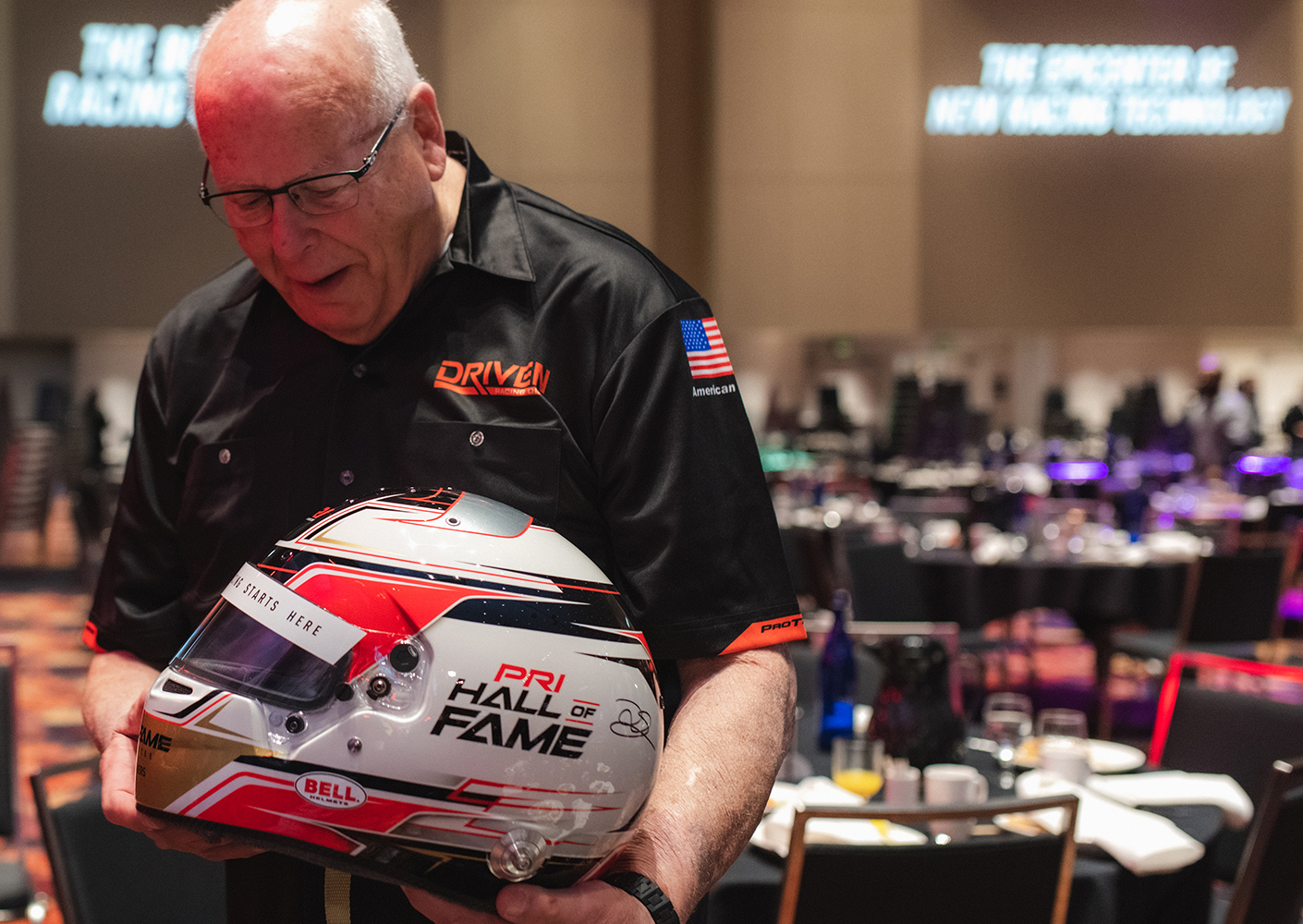
PRI Hall of Fame: Scooter Brothers
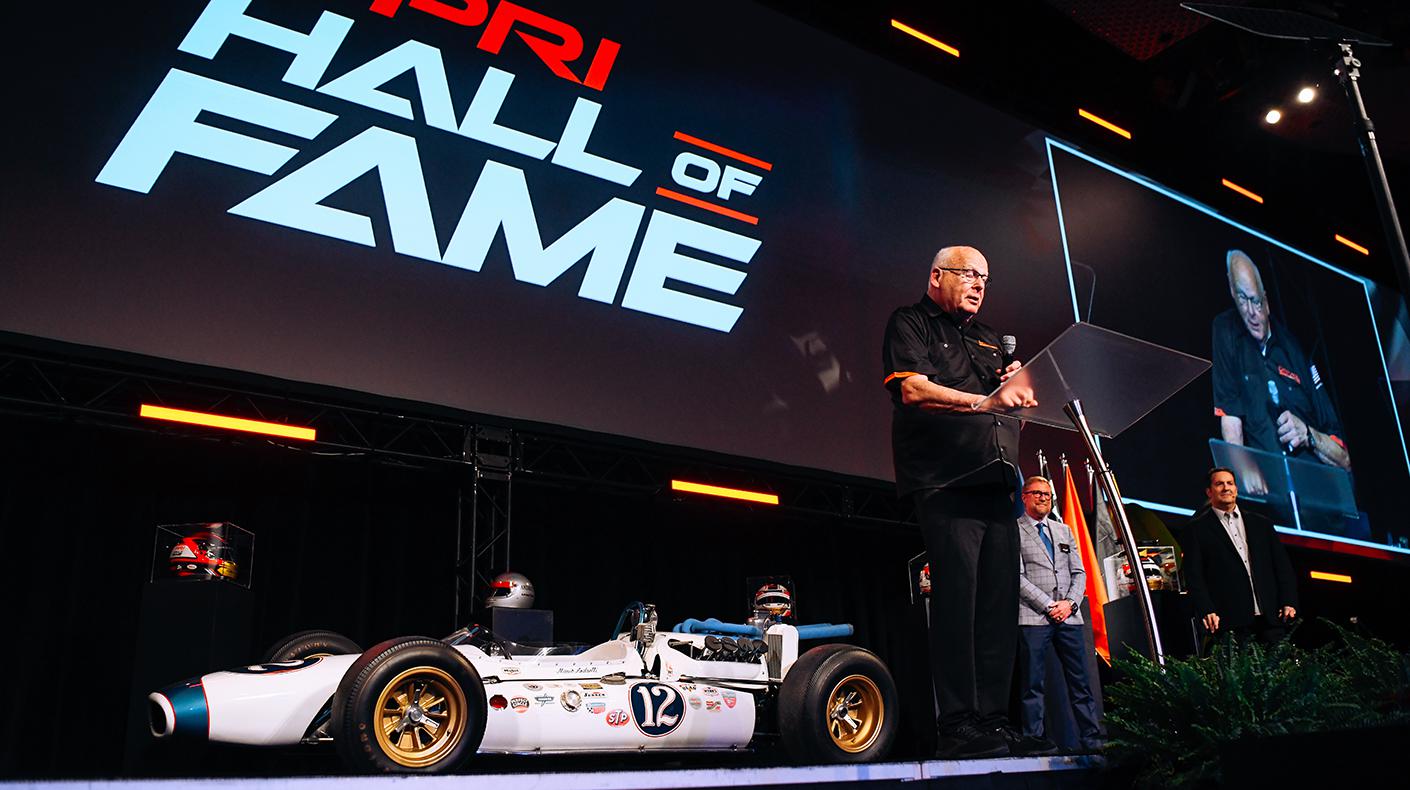
Motorsports legends fill a variety of halls of fame. However, the PRI Hall of Fame is a little bit different. All inductees have contributed greatly to motorsports, but these individuals have also highly impacted PRI in such ways that we owe tremendous gratitude to their accomplishments that excelled the brand to its place today. This second PRI Hall of Fame class consists of Scooter Brothers, Chris Raschke and John Kilroy.
Scooter Brothers is well known for his leadership at COMP Performance Group and Driven Racing Oil. He has also been inducted into the SEMA Hall of Fame for his influence on the overall automotive aftermarket. One role he held at SEMA was Chairman of the Board of Directors, when he learned that PRI founder Steve Lewis was planning to retire and sell the brand consisting of a racing trade publication and racing trade show. He called Lewis on the telephone and flew from Memphis, Tennessee, to Laguna Beach, California, the very next day to broker a deal for SEMA to purchase PRI. In 2012, the deal was complete, and PRI was added under the SEMA umbrella, expanding opportunities for the brand but retaining its customer-first focus.
Beyond his business acumen, Brothers placed an emphasis on building relationships with vendors, customers, and most importantly, his team members. As a result, many of those he guided over the years have achieved leadership roles on their own.
Read the full profile on Paul "Scooter" Brothers that originally appeared in the March/April 2026 issue of PRI Magazine below:
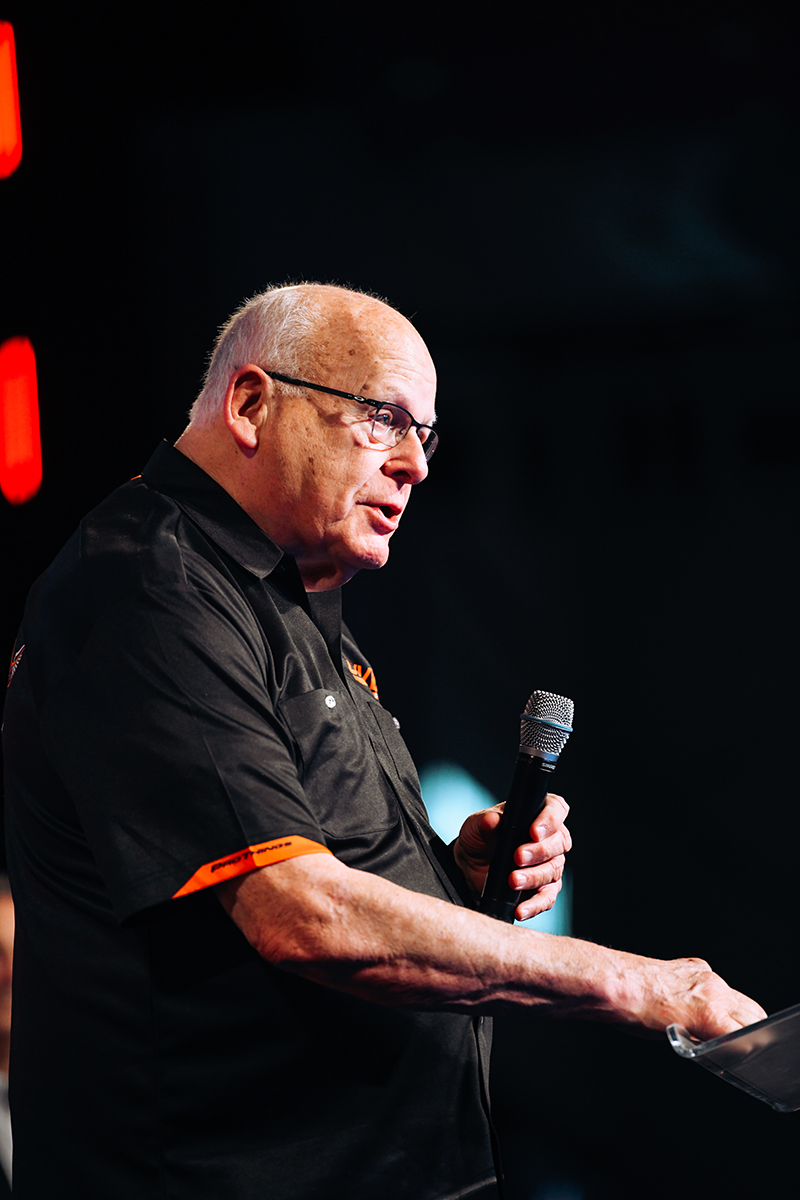
Paul "Scooter" Brothers was destined for life in the fast lane since birth. After he was delivered, he was placed in a hospital bassinet, but a problem quickly developed. "I was scooting all around" the bassinet, claimed Brothers. "The nurse said, 'We can't keep him in the box. He's moving.' And so she named me 'Scooter' the day I was born, and I've been that ever since. I guess it's kind of appropriate in this industry."
While Brothers had already earned the nickname, his passion for the speed industry developed during his teen years. "I worked with my dad in a repair shop," he explained. "When I was 13, I got out of school for the summer, and I went to work. I worked all summer with him. Well, one day I got there, and he was cleaning up some tools and putting them in a different toolbox. I asked him what was going on, and he said, 'You don't work here anymore.'
"So I'm 13, and my dad's just fired me. And I go to work for a Rambler dealership—that tells my age because nobody knows what Ramblers are—and I started there. I guess shortly after, that's when I snuck off with a friend of mine to a local drag strip and started competing, and it just blossomed from there."
In fact, Brothers earned his first racing trophy at the age of 14 at Halls Dragway in Tennessee. His racing career was put on hold when he was drafted and completed four years in the Navy. Brothers returned to his hometown of Memphis and joined Racing Head Service (RHS). He started the company's mail-order business, which eventually led to sales of mail-order crate engines. Brothers moved from RHS to sister company Competition Cams in the late 1980s to oversee the research and development department.
Brothers eventually worked his way up at Competition Cams and became co-owner of the company with Ron Coleman, who continues to be Brothers' business partner to this day in their joint ownership of Driven Racing Oil.
Brothers' induction into the PRI Hall of Fame's 2026 class can be credited to his leadership at Competition Cams, transforming it from an up-and-comer challenging the iconic Crane Cams; helping to create thousands of innovative racing components; and building race-winning engines. But Brothers was awarded this honor not only for what he invested in the industry as a whole, but also in the lives of those who make up the racing industry. And in those who are following in his footsteps to keep the sport thriving for another generation.
The Value of Mentorship
People and parts are the two categories Brothers has focused on throughout his motorsports career. The latter component "is pretty easy," he noted. "Study the market, build a better mousetrap, and they will come. The people part is a bit more complicated and requires much more effort and commitment.
"I had an early mentor, John McWhirter, who is one of the three founders of Racing Head Service," he continued. "John invested in me early on, and it took. Later, Ron Coleman helped me learn enough of the business side that many of our ventures were successful. I saw then how satisfying it is to help develop the next generation so they can carry on what we have done. They will be a lot better than we ever would be. They are smarter and have better tools to help them grow the industry."
"I see myself in some ways as a teacher to Scooter," confirmed Coleman. "I always say affectionately that I think the student now is better than the teacher.
"It's always good when you can look to a guy and think, 'Well, I can remember when he didn't do this and didn't know that. But now he knows that even better than I know it,'" Coleman continued. "I've been very pleased with the relationship. It's been very rewarding to work with him."
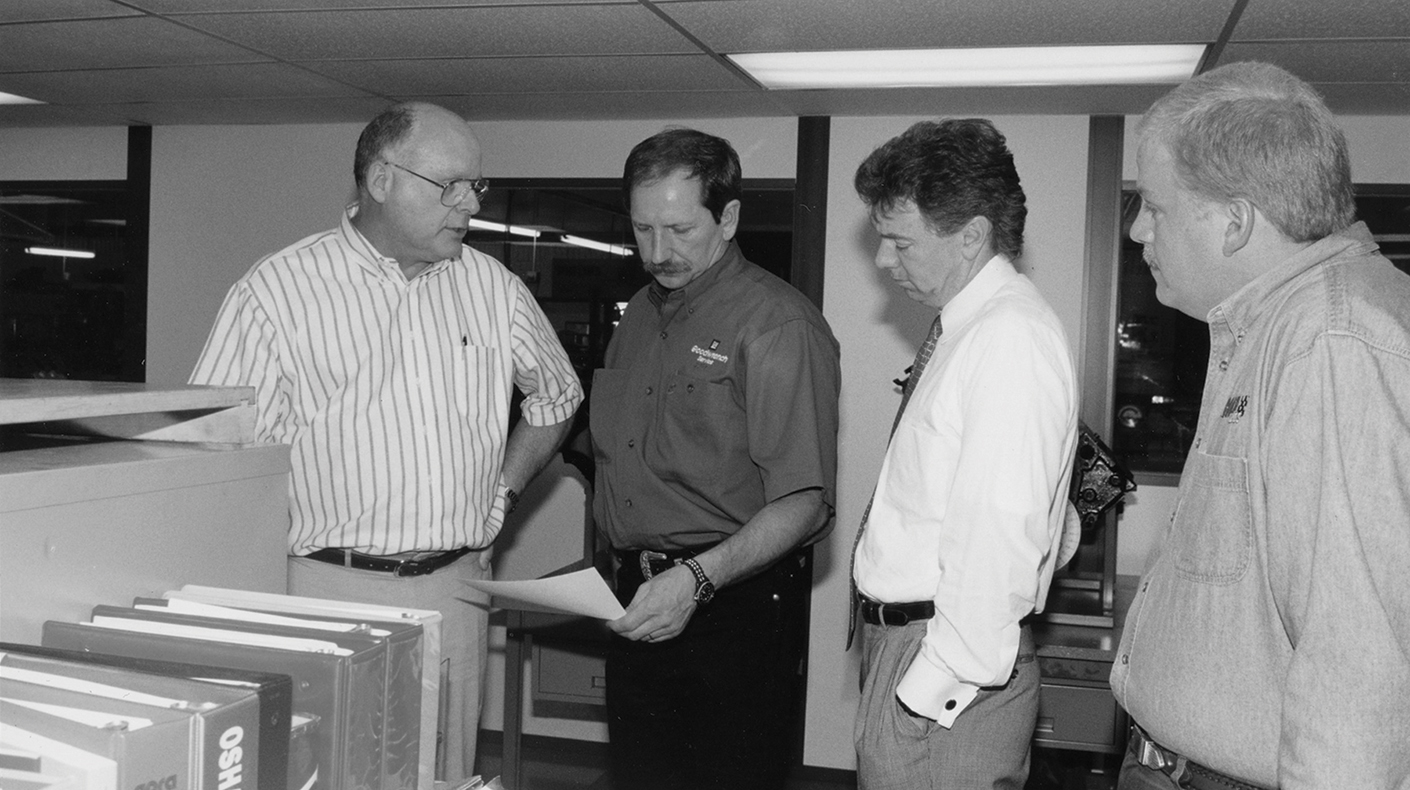
"Scooter was one of the guys who really believed in investing in young people and giving them a chance," confirmed Doug Yates, president and CEO of Roush Yates Engines in Mooresville, North Carolina. "Going back to COMP Cams in the early days, Billy Godbold was there, Chris Brown was there—the camshaft and valvetrain guys. Scooter was the guy who just really invested in people. He said, 'We race cars on the racetrack when we race engines and we race businesses, but all the things that power those businesses and cars and engines are people.'
"Scooter has been a gift to this industry because he's given people opportunities," Yates continued. "He's set up opportunities that have provided for a lot of these people in the industry. He made his mark and needs to be honored and celebrated, because I know a lot of people who he's done great things for, including myself. It's great to be able to thank somebody like Scooter for all the great things he's done all these years. There are many friendships that he's created by putting people together, putting companies together, and just connecting people. He's the best this industry has ever seen, and really, he's like the godfather of this industry. I'm really proud of him and all the things he's done."
As Yates alluded to, he personally benefited from Brothers' knowledge and experience. After graduating from North Carolina State University in 1990, Yates joined his father, Robert, at Robert Yates Racing, where he was involved with a restrictor-plate engine project. "My dad handed me a business card for Paul Brothers at COMP Cams. I called up and said, 'May I speak to Paul Brothers?' And he said, 'Well, this is him, but you're gonna have to call me Scooter.' And we met in May of 1990."
That project to develop restrictor plate engines for NASCAR competition at Daytona International Speedway and Talladega Speedway proved successful. It led to winning the pole in their first event at Daytona in 1991 and then going on to win the Daytona 500 in 1992.
"My dad and I worked hand-in-hand from the time I was old enough to go to the shop, and basically he knew what he was doing when he introduced me to Scooter," continued Yates, who noted that the three most influential men in his life included his father, Jack Roush, and Brothers. He explained that his father knew that Scooter "was a great engine guy," especially with "his background with camshafts and cylinder heads, but an even better person. So, right away, I thought I had found someone to work with camshafts on engine development.
"Professionally, Scooter and COMP Cams were really the heart and a big part of the success of Robert Yates Racing in the 1990s with Davey Allison and winning the championship with Dale Jarrett in 1999," explained Yates. "Scooter is an incredible engine guy. He understands camshafts, valves, heads, how engines work, but he also is an incredible businessman. And some of the lessons I learned from Scooter on the business side were about marketing. He was probably the best marketing guy. COMP Cams led the way for the industry and marketing in the 1990s and 2000s with all the ads they did and how they marketed their products.
"He's an incredible business guy, but personally, Scooter is a guy who I could call and say, 'Hey, look, I can't talk to my dad about this,'" Yates said, laughing, "'but what do you think? What's your experience, and how would you handle the situation?' Whether it's an employee at work, a relationship, or even at home with kids and family things, my relationship with Scooter is something I treasure. It's just a blessing to have that business card and to call him that day and to learn all the things from him. To have the friendship that we have today is something that is just incredible. And, to share the same passions and the same industry, it's really a special relationship."
Brothers' business acumen is one of the main reasons why he became a PRI Hall of Fame member, but his humility is refreshing for someone who has contributed so greatly to numerous careers in the world of motorsports.
"He is the most humble person in the world," claimed Chris Brown, a former executive at COMP Cams who worked closely with Brothers since the age of 19, when Brown was in college and joined the company on a part-time basis. "I'm not going to say he doesn't realize it, but he doesn't recognize the impact that he's had both on the people around him and on the industry that he was part of. He's never poked his chest out and said, 'Look what I've done.' It's always been, 'Wow, we did a pretty good job on this.' That's something really special in a leader.
"He has a way of looking at a problem and breaking it down to the simplest facets," Brown continued. "He makes you realize if you start with a very basic root of the problem and solve that, you can build on that and take care of this massive problem that you're trying to deal with. I can say that he taught us to keep things simple, not overthink it, and not overcomplicate it.
"He would tell us all the time, 'Don't worry about winning this championship,'" Brown added. "'Don't even worry about winning this race. How can you make that engine the best it is today, and then we'll go race.'"
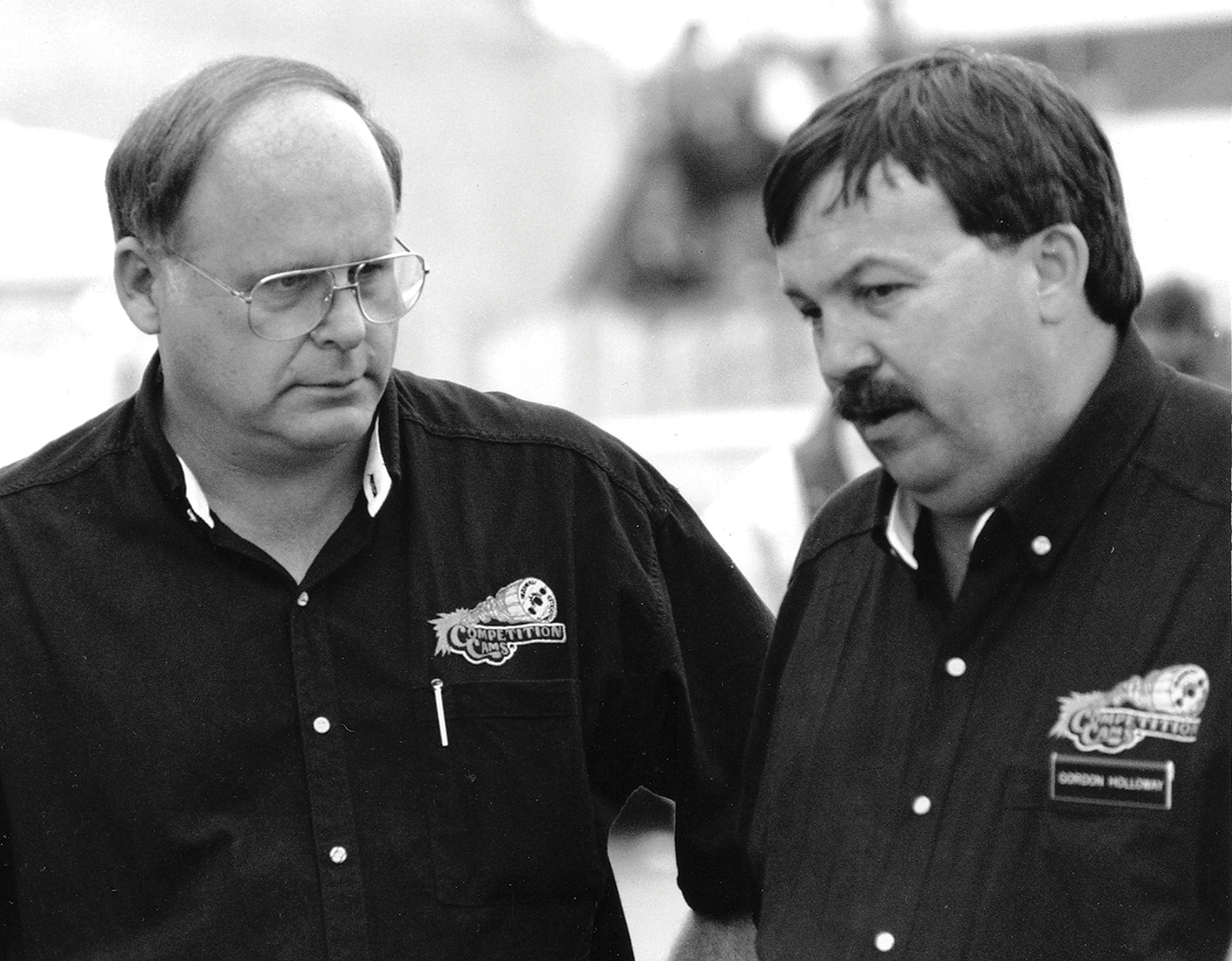
"Scooter's business card always said something about product on it. He was very humble. I don't recall that he ever had a business card that said anything about partner or co-owner. It was always something like director of product because that's the area that he really enjoyed," explained Chris Douglas, who joined Competition Cams in 2003. That "was supposed to be in between race seasons as I was still chasing the racing dream." Douglas worked his way up to CEO after the merger with Edelbrock, before departing to start his own business, MCD Enterprises.
"I love his heart for people," continued Douglas. "He was always willing to pick people up when they were having a tough time. He was willing to, in his own way, push them and really help grow them into more than they thought they could be.
"There never was an air of, 'I'm someone important,'" he added, noting he viewed Brothers as a father figure. "There were times when you made mistakes that Scooter would put his arm around you and really give you fatherly advice that sticks with me today, and I use every day of my life. I would say that he certainly helped shape me professionally, and I feel very fortunate that I always worked in close proximity to him."
Douglas cited one lesson Brothers taught him professionally: "You've got to know when to take a risk. You never build anything great by just being conservative all the time, but it's that balance."
Douglas added, "He is really good about betting on people. The main thing that I've taken away from him over the years is that he can look at a person, and he can see them for what they can be, not just what they are today. He will encourage them. He will push them and get more out of them than most people ever see in themselves."
That sentiment was confirmed by Billy Godbold, who joined COMP Cams in 1995. He worked his way up the ranks and then branched out to form his own consulting company, Godbold Engineering Solutions, in Lakeland, Tennessee. "You hear about these great generals who could just get the troops to muster up and would do anything for them," he observed. "The guys who 'grew up around Scooter,' that's how we all are."
Godbold stressed the importance of relationships to Brothers, describing his attitude as, "'if you're calling me and trusting me to help with your program, I'm going to move heaven and earth to do everything I possibly can to see you be successful. I want your program to be successful. I want you to win races. I want you to reach your goals because you trust in me.'
"I think that's the difference between a transactional industry and a relational industry," he continued. "A relational industry is, 'Hey, what can I do to help you succeed?' A transactional industry is, 'Will you pay me this many dollars for this part?' Both of them have their place, but with Scooter, it was always relational industry first. 'How can we help? We're going to figure out how to make money. How can we help our customers succeed?'
"I can tell you this as a small business owner with a consulting company that if I, as a consultant, help my clients succeed, it's almost impossible to have a bad business. If I don't help my clients succeed, it's almost impossible to have a successful business. So the things Scooter taught me that work in a 400-person business also work in a very small business as well. And there's no place that it doesn't work," Godbold added.
"Scooter has an amazing way of speaking hard truths to you, and not making you feel bad or less than. That's a pretty unique gift," claimed Lake Speed Jr. of SPEEDiagnostix in North Carolina. While working at Joe Gibbs Racing and developing the Driven Racing Oil line, he met Brothers, who eventually purchased the oils and lubricants products line with Coleman.
"One thing he told me was that 'you have to do the things that only you can do.' You've got to delegate the stuff that somebody else can do. If you try to do all the stuff that you technically can do, you spread yourself too thin. And you're not helpful to anybody. But if you delegate and let other people do stuff, sometimes they might surprise you by how much better they are at it. Just do the things that you're truly best at or that no one else in the organization can do.
"But having that vision, being the coach to pull together the team and get them all pointed in the right direction, not everybody can do that," continued Speed. "People like Scooter recognized that 'we're better together than we are apart,' and getting people to see the bigger picture and cooperate is a big thing."
"Scooterisms"
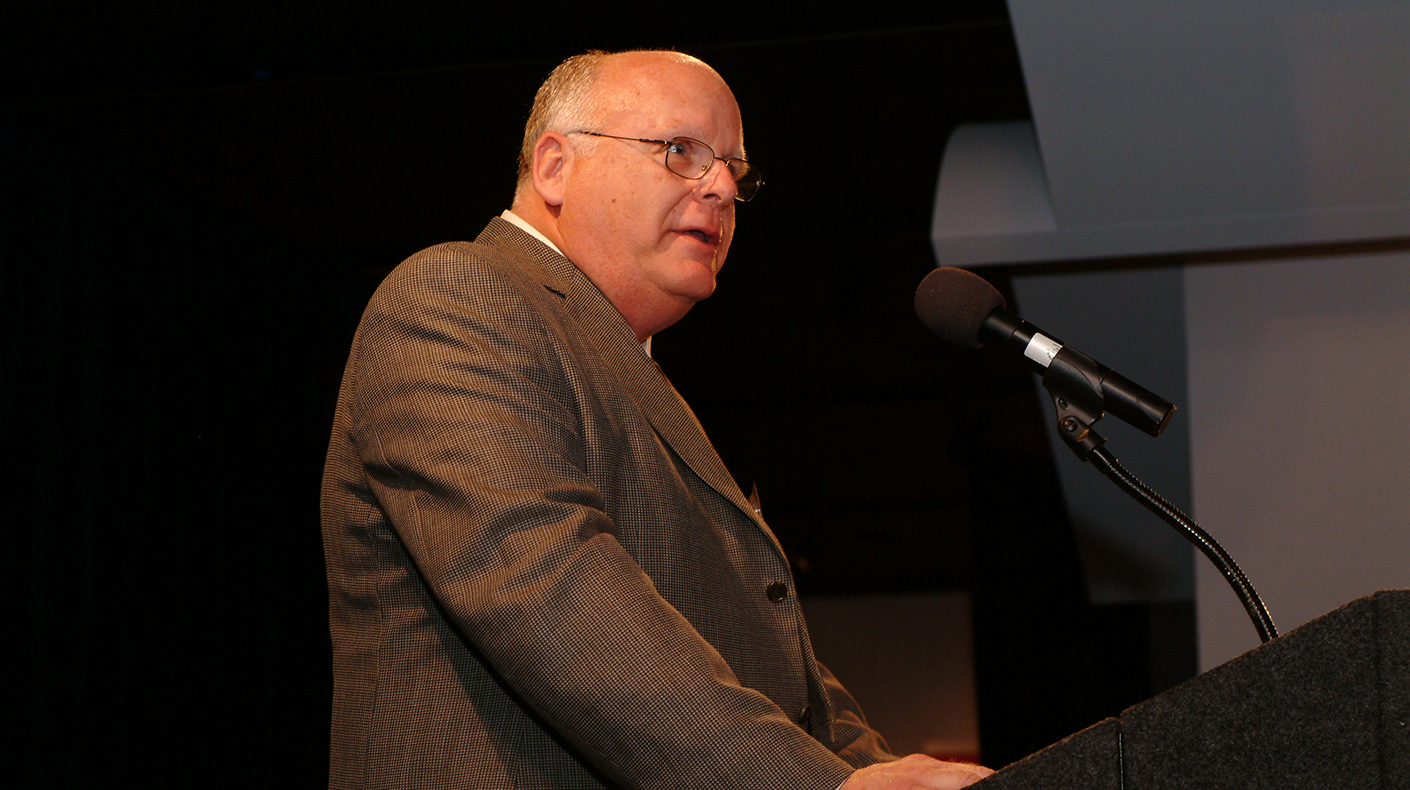
Brothers' sage advice was often delivered with his Southern charm in the form of short yet effective sayings.
"He has little sayings that we call 'Scooterisms,'" Brown said, which are pithy observations that were confirmed and embraced by every source interviewed for this article. "One of the Scooterisms that I've always cherished is, 'If you do the right thing, the right things will happen." And you know, that's very simple, but it's real.
"Another one he said that I've always held close is, 'When it's all said and done, when they put you in the grave, nothing goes in there with you except your integrity. Be careful with what you do with it.'
"When you're 20, that doesn't mean a lot," Brown added, "but as you age and you learn how life works, it means a lot to you. He was such a great mentor of mine and continues to be, in every facet, both professionally and personally. He's just turned me into the man that I am today."
Speed found a challenge as well as encouragement through Brothers' observation, "The answer is no. Prove to me why I am wrong."
Speed explained, "If you can prove that that's wrong, he'd listen. But if you only had feelings, well, that wasn't going to be enough. You needed to have a plan and understand why." Data was the key because "it's very easy to operate from emotion.
"'You can't manage what you can't measure.' That applies to business, it applies to life, it applies to everything. That's something I reference every single day," concluded Speed.
Over the years, Coleman has heard from Brothers, "'Ron, you're about to have a really good idea. Let me tell you what it is.' I know when I have a really good idea, and he's going to tell me what my really good idea is," Coleman explained, laughing. "He approaches not just me, but everyone in a really different way and in a really unique and good way. It allows people to be open-minded. Then I'll argue with him about it, and he'll tell me what to get out of it. From the discussion, we end up sometimes with a really good idea.
"He has an innate trust in me, and I have an innate trust in him," continued Coleman. "If he really insists on something, then I have to really think very hard about disagreeing with him. I think he feels the same way about me. It's a relationship that has grown and continues to grow. Whenever you have a relationship that continues to grow, that's the best kind."
Brothers' focus on relationships is evident in his saying, "Heads, hands, and heart," according to Godbold. Brothers told him, "Billy, if you can find somebody who has the head and the hands and the heart, we can do amazing things with them." He cited the heart as being the most difficult factor, "because he's always looking for people who are passionate. 'You give me somebody who's passionate, I can do amazing things with them.'"
Godbold has used that same saying in his personal life as a guiding influence with the success achieved by his own children. "I really do think that a big part of my kids' success was teaching them to chase things that they are passionate about, because if you're passionate about something and somebody else isn't, it sure is easy to beat them."
Brothers offered this piece of advice to the entire racing industry: "Never lose your track. The industry is on track. It's been on track. It's the heart and soul of everything we do. Just keep doing it and keep doing a good job at what you're doing. I won't be here, but the other people that succeed me will be saying the same thing, and we'll be leaving a good industry for them."
When we asked Brothers about his thoughts on securing the PRI Hall of Fame accolade, he said, "It's hard for me to sit here and think about being inducted into the PRI Hall of Fame. I look at my fellow inductees, who were heroes of mine. I look at Steve Lewis and Ed Iskenderian. Who could say they're not heroes of everybody's? It's the ultimate in the racing world. It's being honored by your peers for the things that you love. We had to put up with a lot of tough times. We did some tough things, but it was all fun at the end of the day. And the PRI Hall of Fame—I just don't know how it could get any better than that."
To read the full article, plus hundreds of other articles like it, for free, sign up for a digital subscription to PRI Magazine on Zinio here.
Once you download the Zinio mobile app or are logged into Zinio on a desktop browser, you will gain immediate access to more than a year's worth of content, including all three PRI Hall of Fame profiles here and additional coverage in the March/April 2026 issue here.